
What happens when we create the conditions for a human being to experience themselves beyond the patterns they've been living inside?
We often think of experience as something that happens inside us, while the environment simply surrounds us.
But… what if the conditions around us are participating in the experience itself?
What if we…
Changed the light?

Changed the sound?

And changed the space?
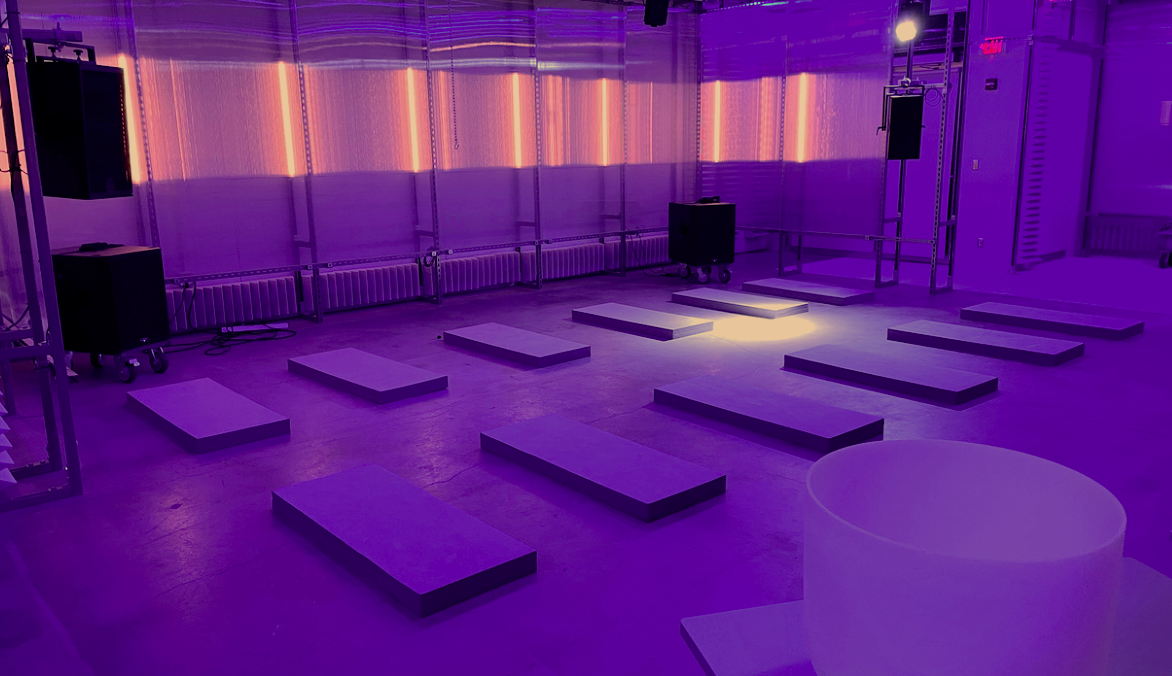
When you curate sensory conditions and alter social expectations,
Perception changes.
And if how we perceive changes, what emerges?
investigate with us.

The Institute for Somatic Sound
creating sensory and social environments for Autistic adults to develop self-agency.

WHAT IS ISS?
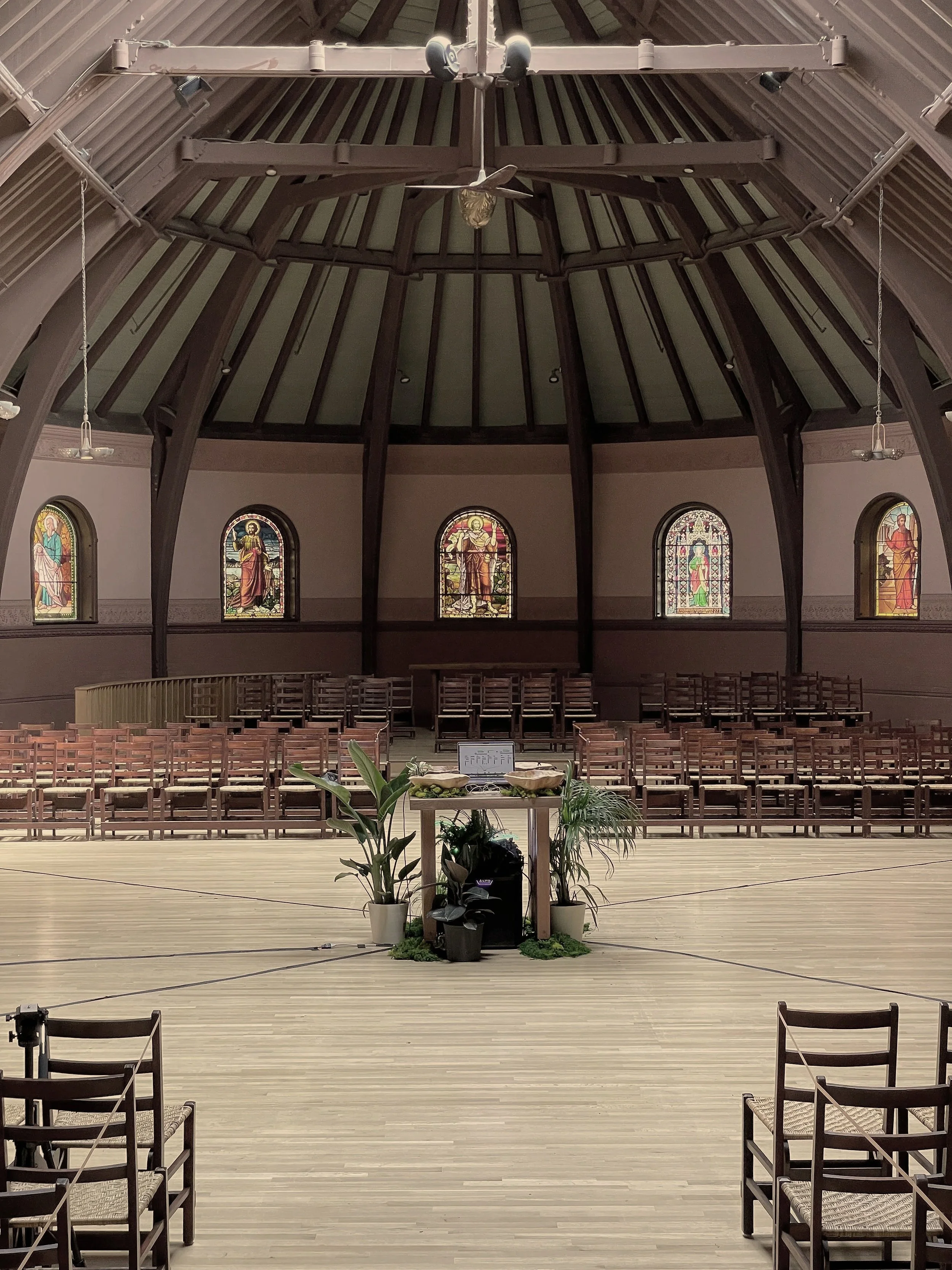
We are a 501(c)(3) tax exempt nonprofit that is developing an artistic research practice for encountering yourself differently.
When you've spent decades masking, your nervous system doesn't simply "turn off."
Through spatial sound, voice, movement, attention, and carefully designed environments, we investigate what happens when people are given different conditions in which to perceive and understand their own experience.
It is to create conditions in which they can notice what they feel for themselves.
The goal is not to tell someone what they should feel.
THE RESEARCH
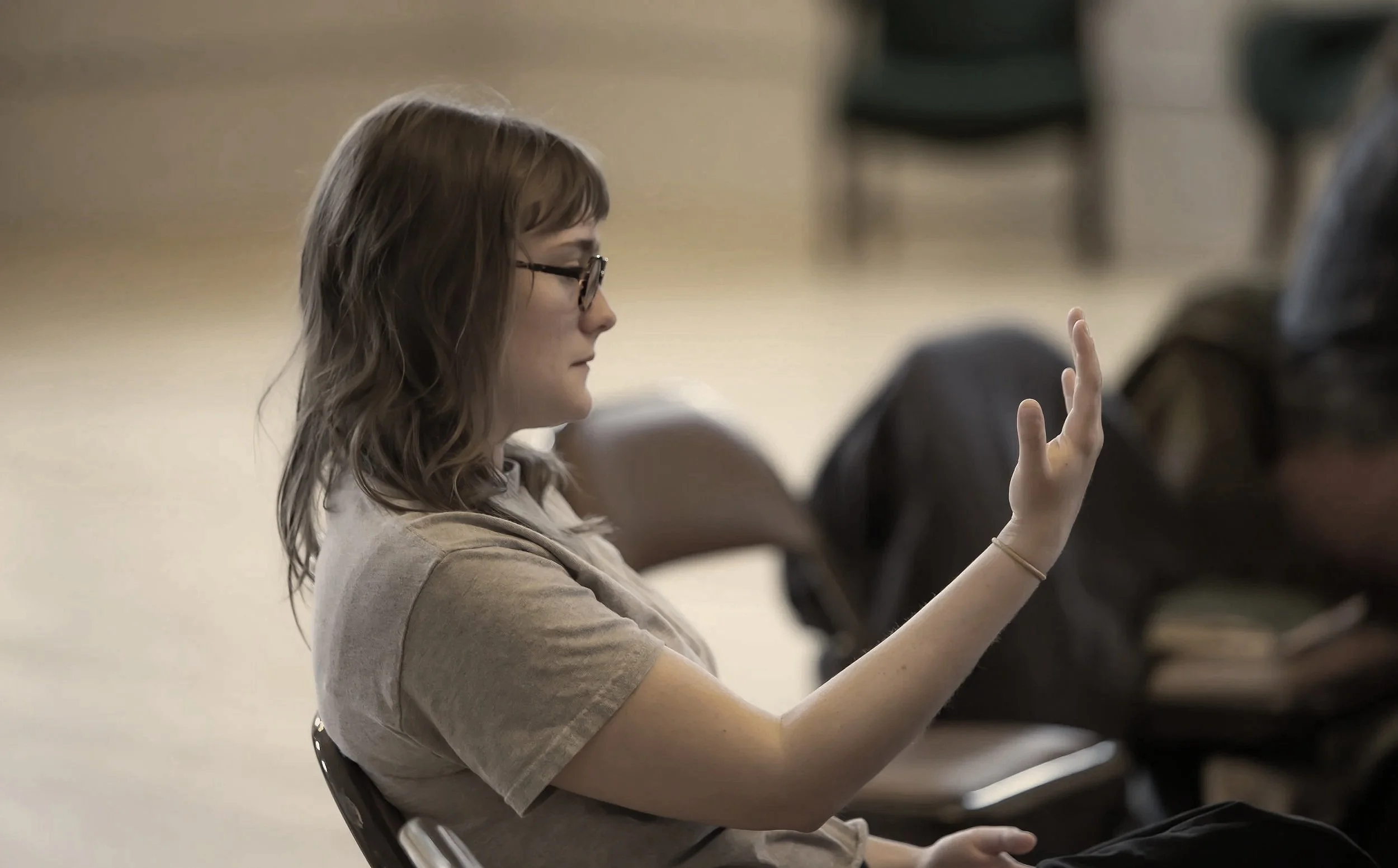
We’re studying what participants experience.
Existing research gives us important pieces of the picture.
Research on sensory experience, intergroup and interpersonal interaction, embodied attention, and environmental design suggests that the conditions surrounding an experience can matter.
But the particular practice we are developing has not been adequately studied.
To aid in this effort, our IRB-approved pilot study at Dartmouth College explored how participants responded to immersive vocal and acoustic sessions.
Among fifteen participants:
87%
reported feeling physically calmer or deeply relaxed.
73%
described quieter or slower thoughts
67%
reported feeling more connected to their bodies.
These findings are preliminary and point toward an important question: Can a carefully designed somatic practice and acoustic environment help support nervous system regulation in late-diagnosed neurodivergent adults?
That is the question we're committed to exploring.
Whether you're neurodivergent, a researcher, clinician, artist, potential collaborator, or simply curious, we'd love to keep you informed.
THE METHOD
Our Service Portfolio
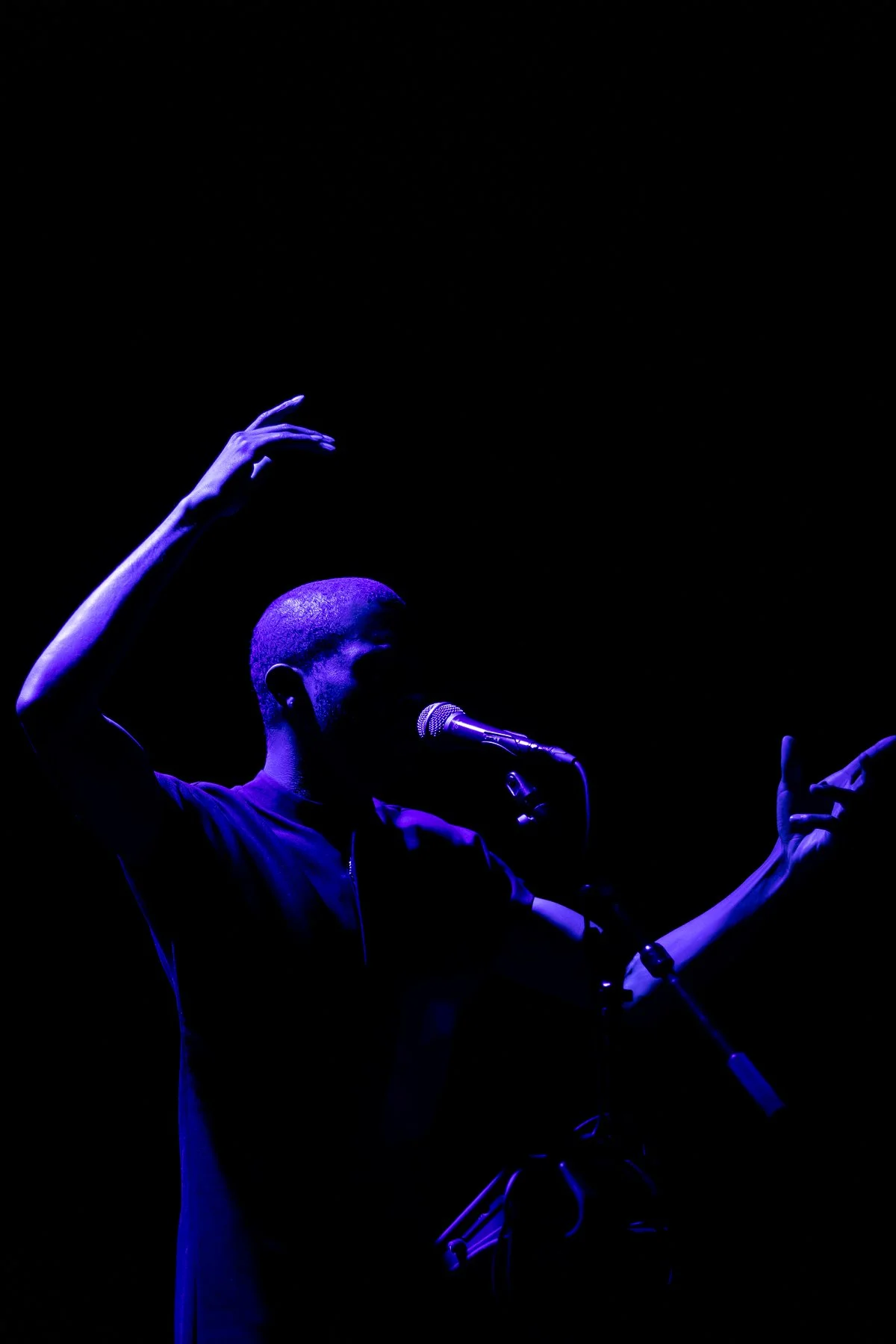
SOUND
Spatial audio, voice, silence, vibration, frequency.
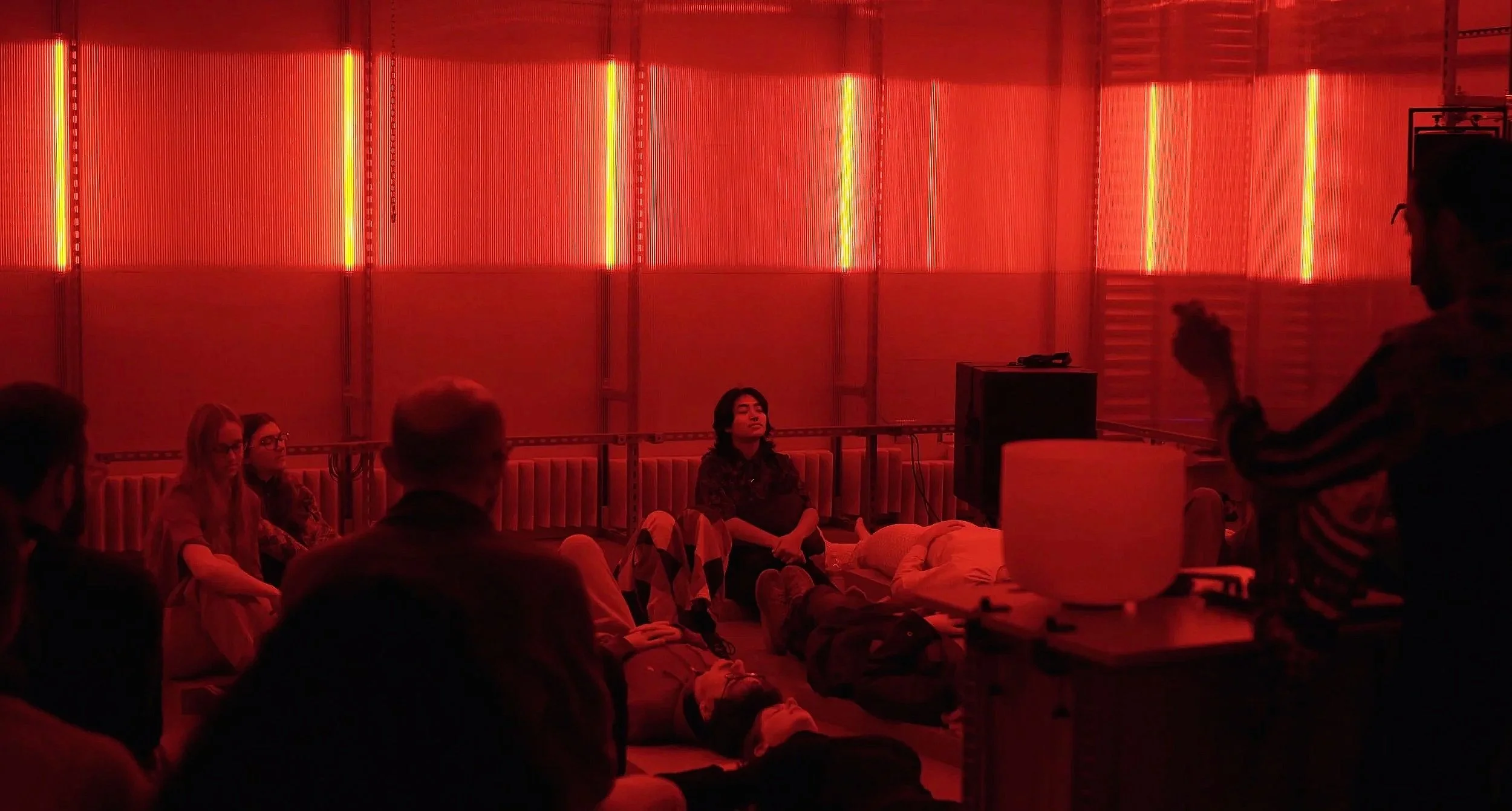
ENVIRONMENT
Lighting, architecture, sensory information.
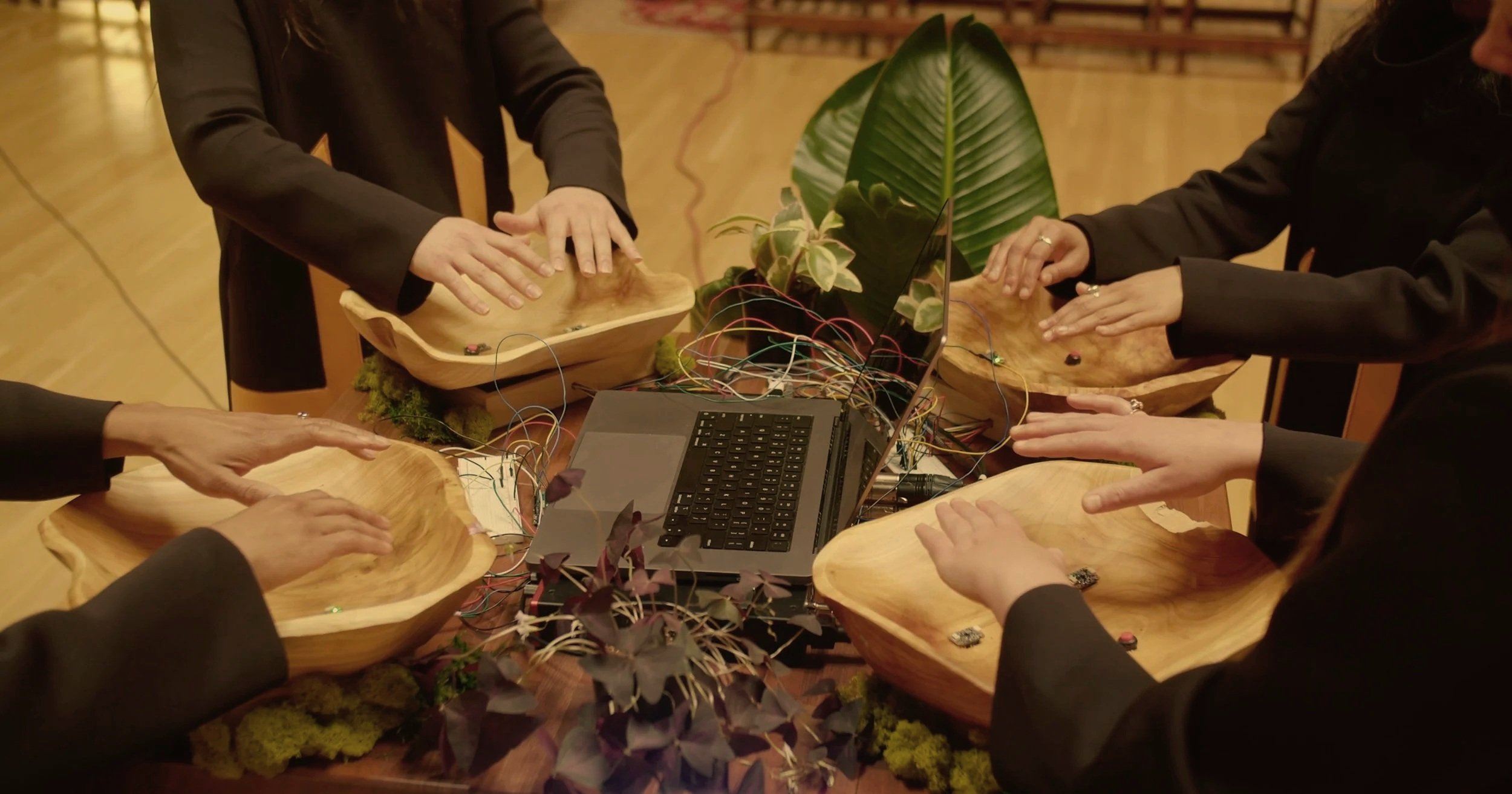
ATTENTION
Listening, bodily awareness, movement, stillness, curiosity.
These aren't simply elements of an experience. They are conditions we can change.
By changing them deliberately, we can investigate how perception and embodied experience change with them.
THE FUTURE
a place to investigate.
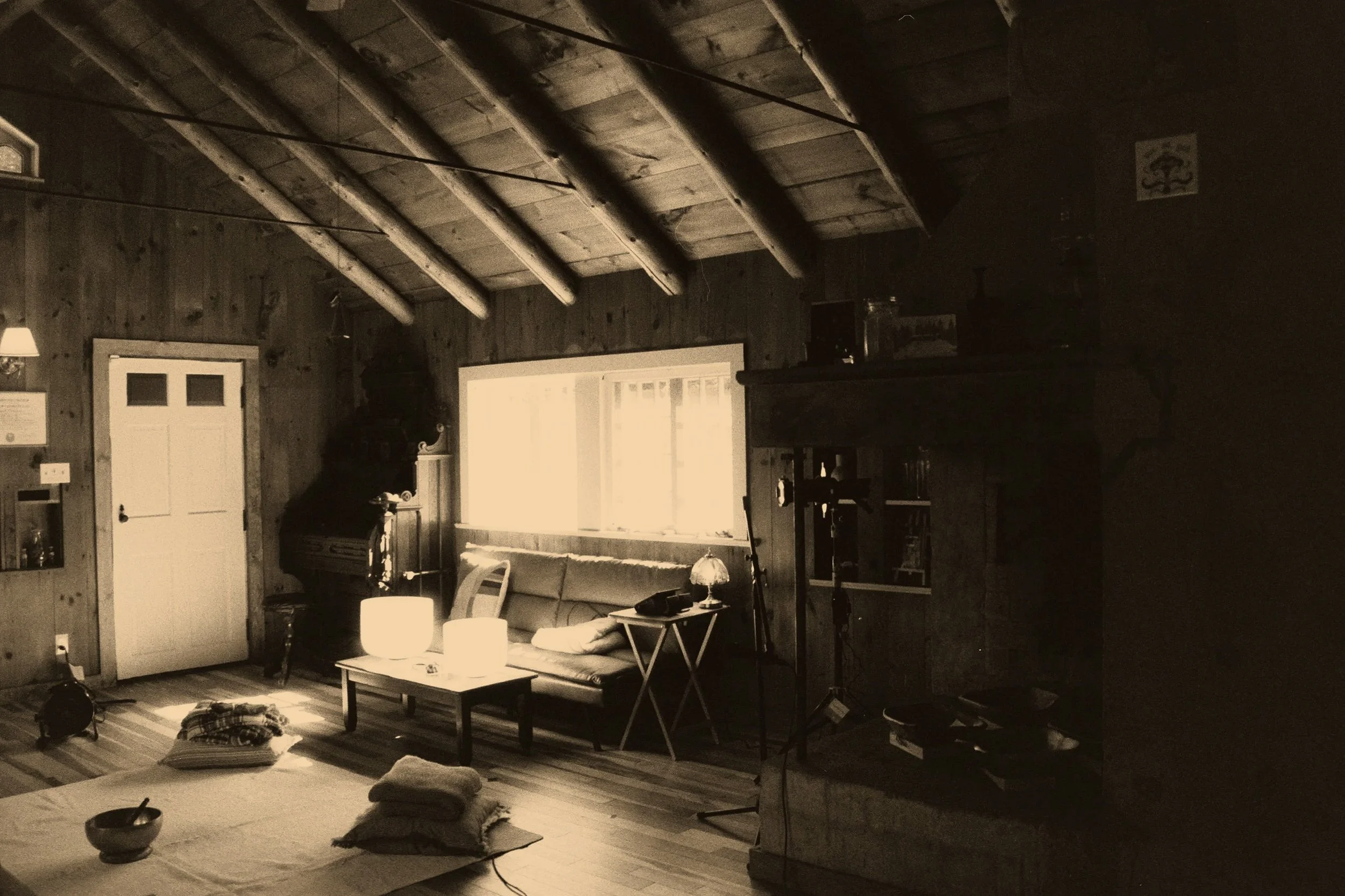
ISS is developing a permanent immersive sensory research environment in Vermont.
The space will allow us to experiment with spatial audio, acoustics, light, movement, silence, and social configuration in ways that aren't possible in conventional performance or clinical environments.
The environment becomes part of the research.
Rather than treating architecture as a backdrop, we want to make the environment itself part of the investigation, allowing us to examine not only what people experience, but how changing the conditions changes what becomes possible.
Whether you're neurodivergent, a researcher, clinician, artist, potential collaborator, or simply curious, we'd love to keep you informed.

What People Have Said
“It made me feel comfortable inside myself.”
“I feel peaceful. Really peaceful and quiet.”
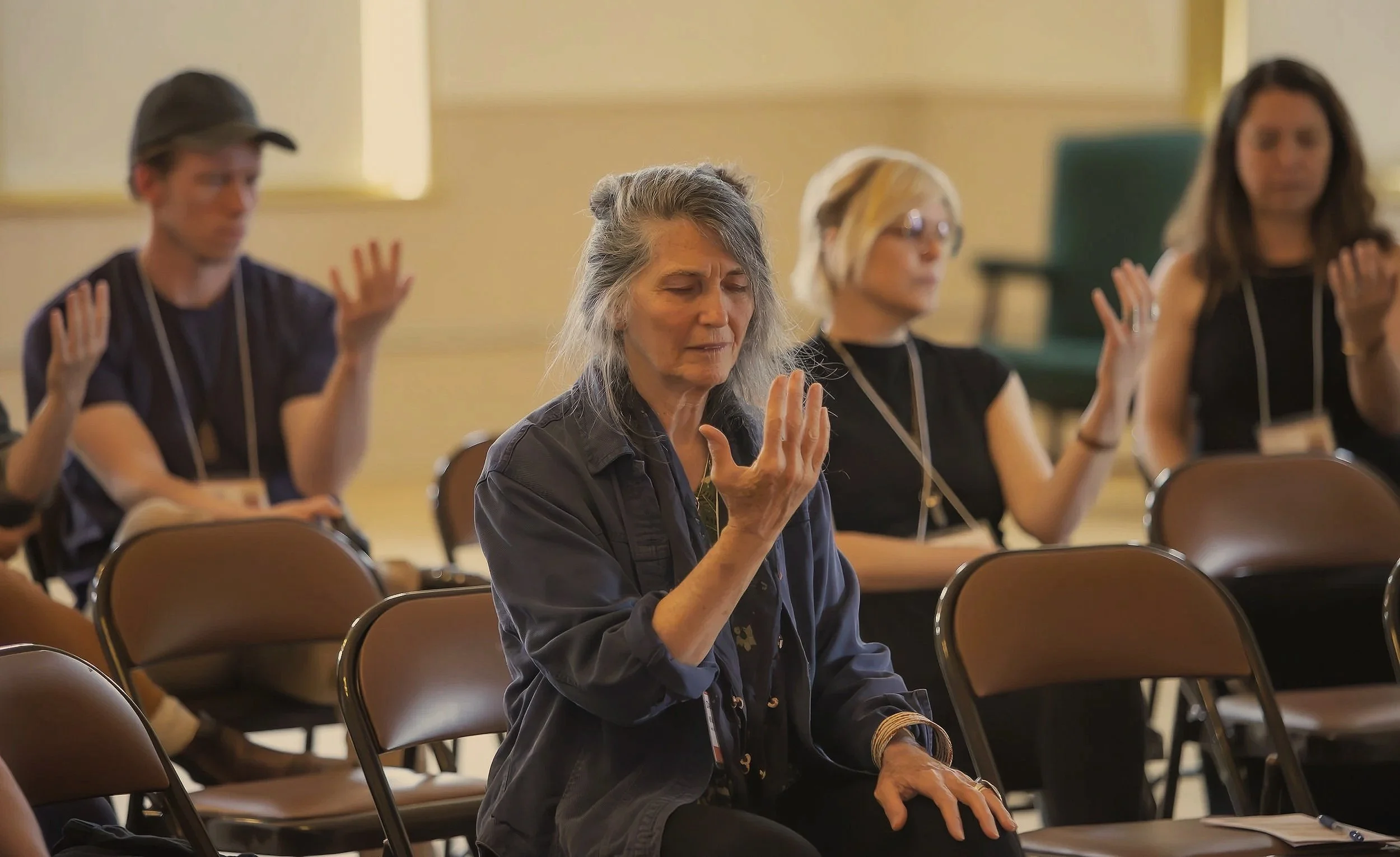
“Your voice and ethereal weaving brought me to tears witnessing pure love, then tears of relief feeling old inner walls crumble in the presence of your spirit song. ”
“Definitely more in my body... way more in my body.”
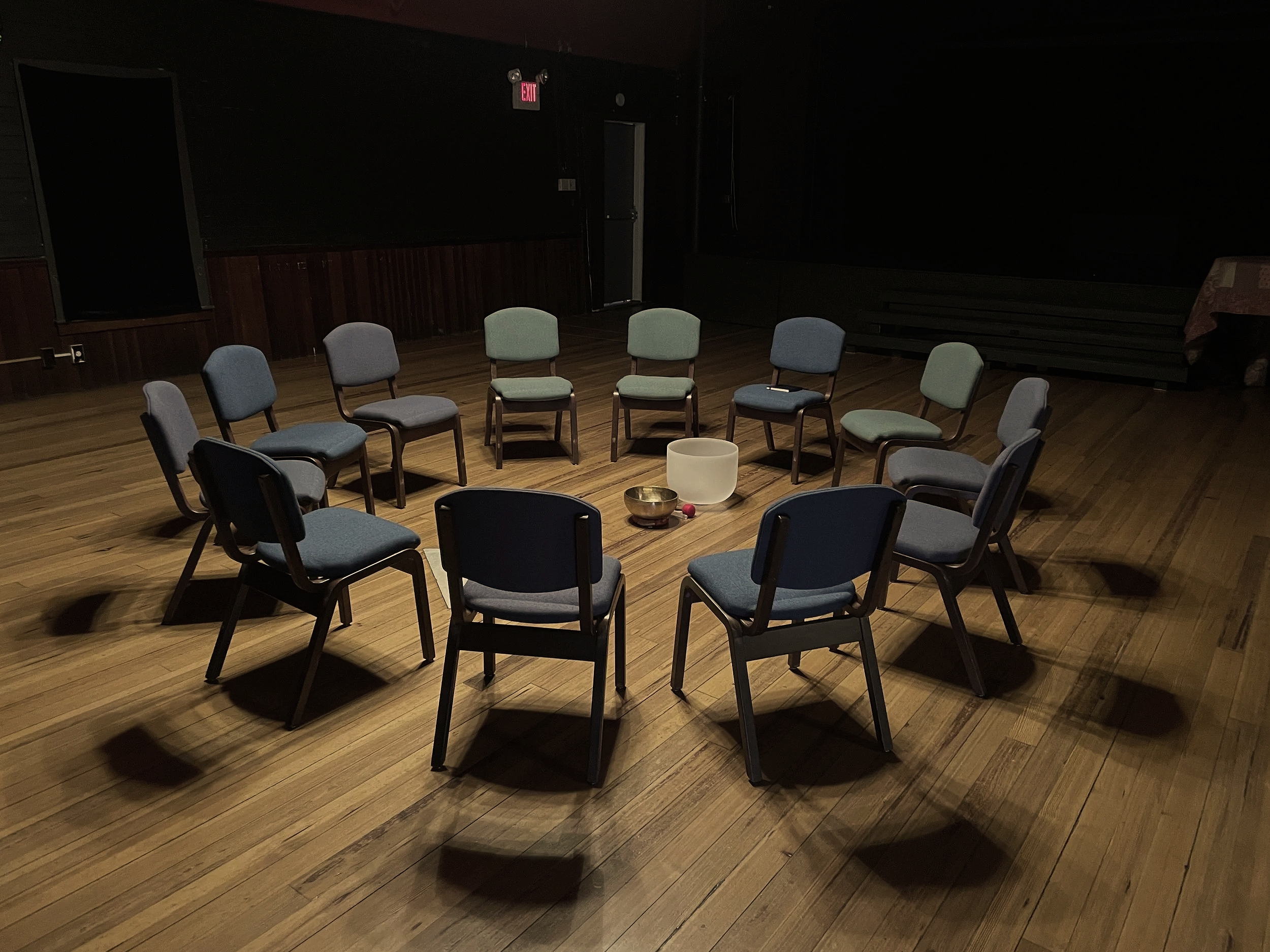
“We’re asking people to become investigators of their own experience. Ultimately, we hope they’ll be able to ask for what they need, acknowledge their own experience, and no longer erase themselves for the sake of others.”
ABOUT THE FOUNDER
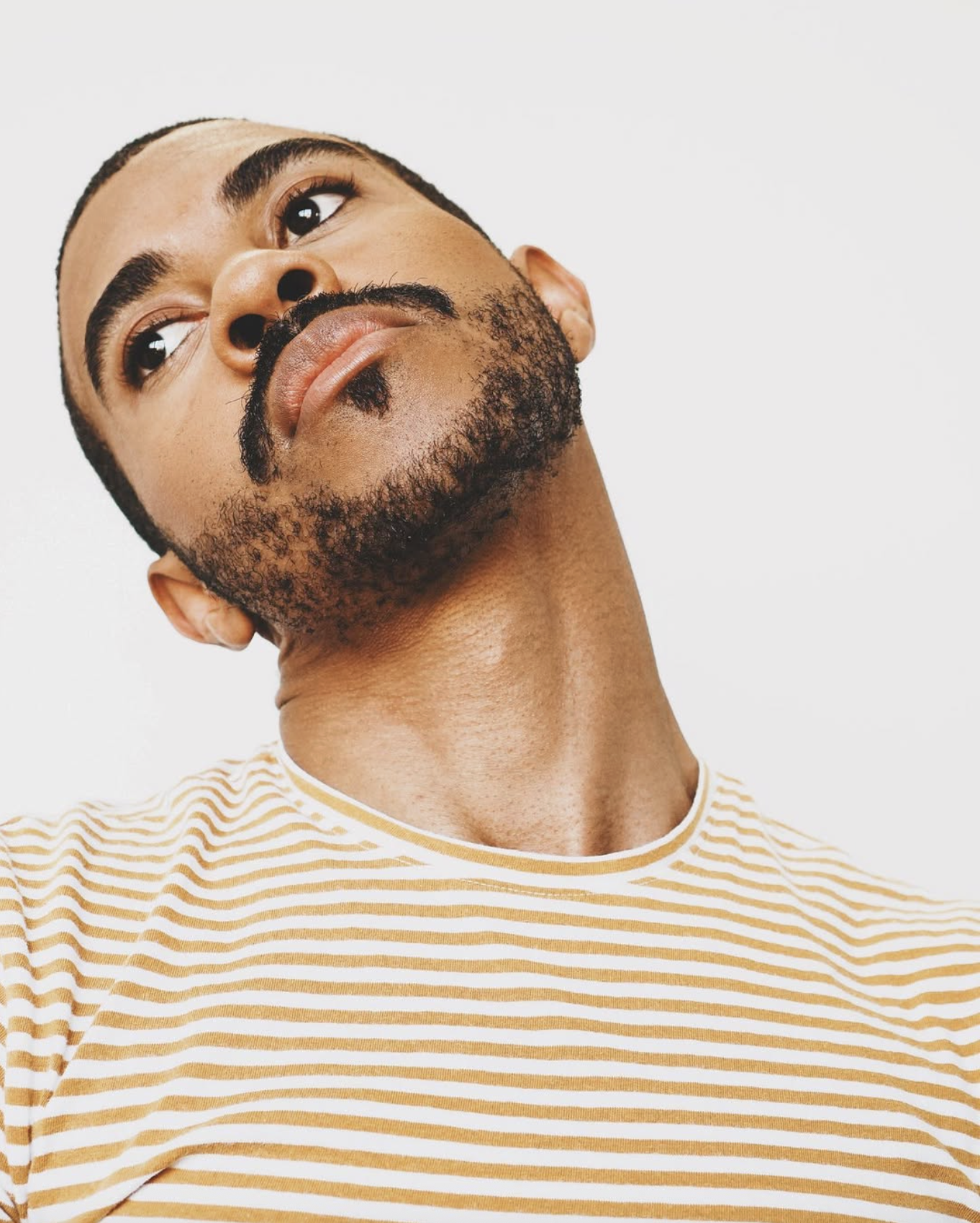
Charles Peoples III (he/they) is an interdisciplinary artist, researcher, and founder of the Institute for Somatic Sound.
His work lives at the intersection of the human voice, experimental performance, and somatic inquiry.
His artistic practice has been presented in theaters, festivals, and research settings, while his current work investigates how immersive acoustic environments may support nervous system regulation and embodied awareness in late-diagnosed neurodivergent adults. His first pilot study was conducted through Dartmouth College under IRB approval and now serves as the foundation for the Institute's growing research program.
The Institute for Somatic Sound
creating sensory and social environments for Autistic adults to develop self-agency.